
Compliance insights for US creators and sellers
Video scripts, livestreams, product copy, and ad creatives: platform rules, FTC and FDA claim boundaries, and real enforcement cases in one place.

 Compliance Guide
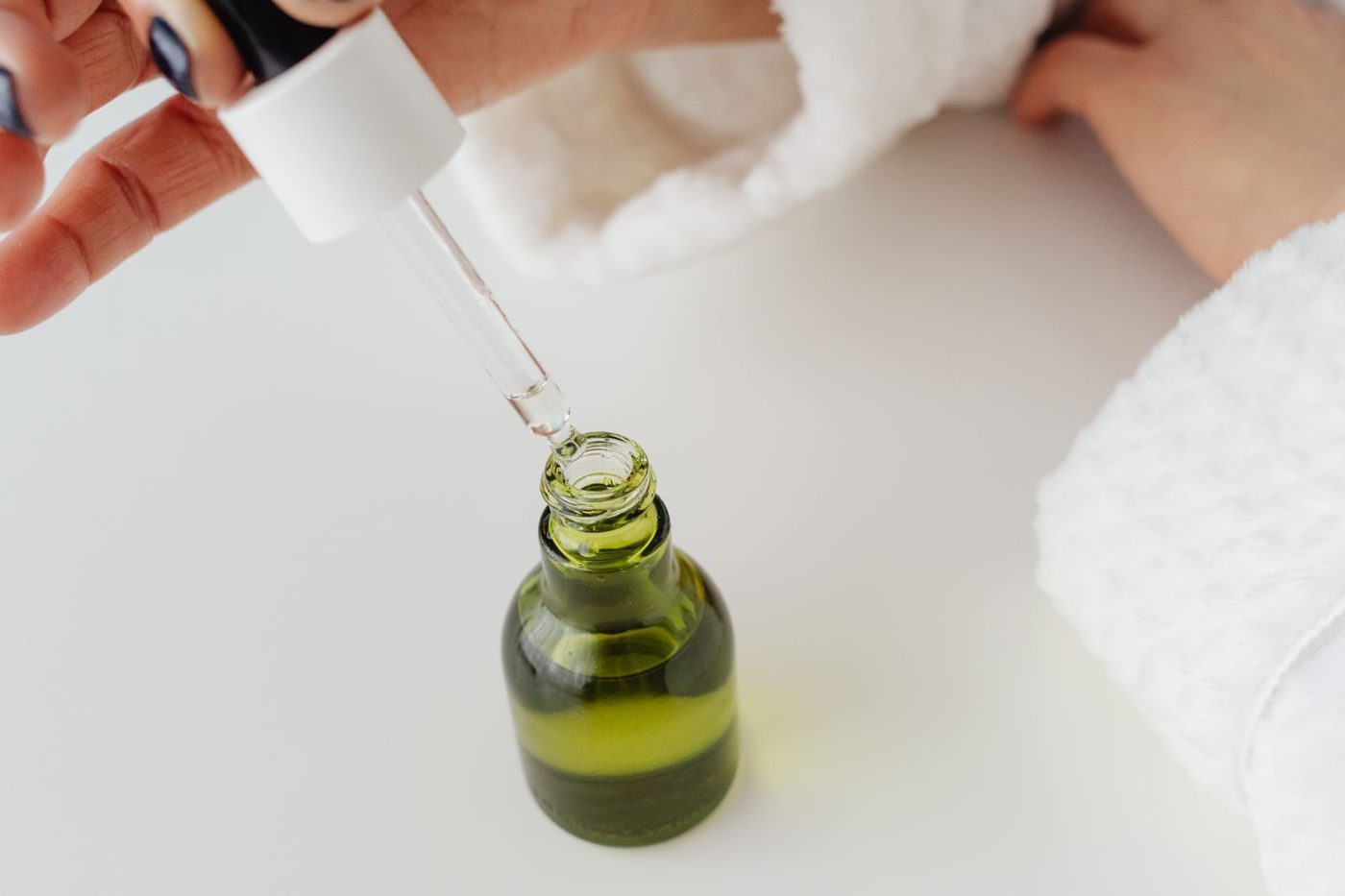
TikTok Shop Skin Whitening: Why 'Brightening' Is Not a Safe Rewrite
TikTok Shop prohibits products that bleach, whiten, lighten, or reduce melanin, and its creator guidelines bar promoting them. FDA separately says OTC skin lightening products with hydroquinone or mercury are illegal in the U.S. Here is how to separate an ingredient problem, a product-eligibility problem, and a content problem, and why renaming "whitening" to "brightening" fixes none of them.
 Compliance Guide
Google Ads Destination Mismatch: Why the Landing Page Is Rejected, Not the Copy
A Destination mismatch disapproval is about the domain a click reaches, not the claim in the headline. This article explains what Google compares across the display URL, final URL, mobile URL, redirects, and tracking template, the three error strings you will see, four setups that fail, an eight-step check, the fix order, and when to appeal instead of rewriting the ad.
 Compliance Guide
CPSC eFiling: Who Files the Certificate of Compliance, and What It Does Not Prove
Since July 8, 2026, importers of CPSC-regulated consumer products must file certificate data with CBP at entry, and foreign trade zone entries follow on January 8, 2027. Here is who the rule treats as the certifier, the seven data elements, the two filing routes, how low-value shipments are treated, and what a filed certificate still does not prove about your listing or video claims.
 Compliance Guide
Antimicrobial Claims: When 'Kills 99.9% of Germs' Turns a Household Product Into a Pesticide
Antimicrobial claims can turn a household product into a regulated pesticide. This guide explains the FIFRA treated-article exemption, the words that require EPA registration, the label statements EPA expects, and how TikTok Shop reviews pesticide-related claims.
 Compliance Guide
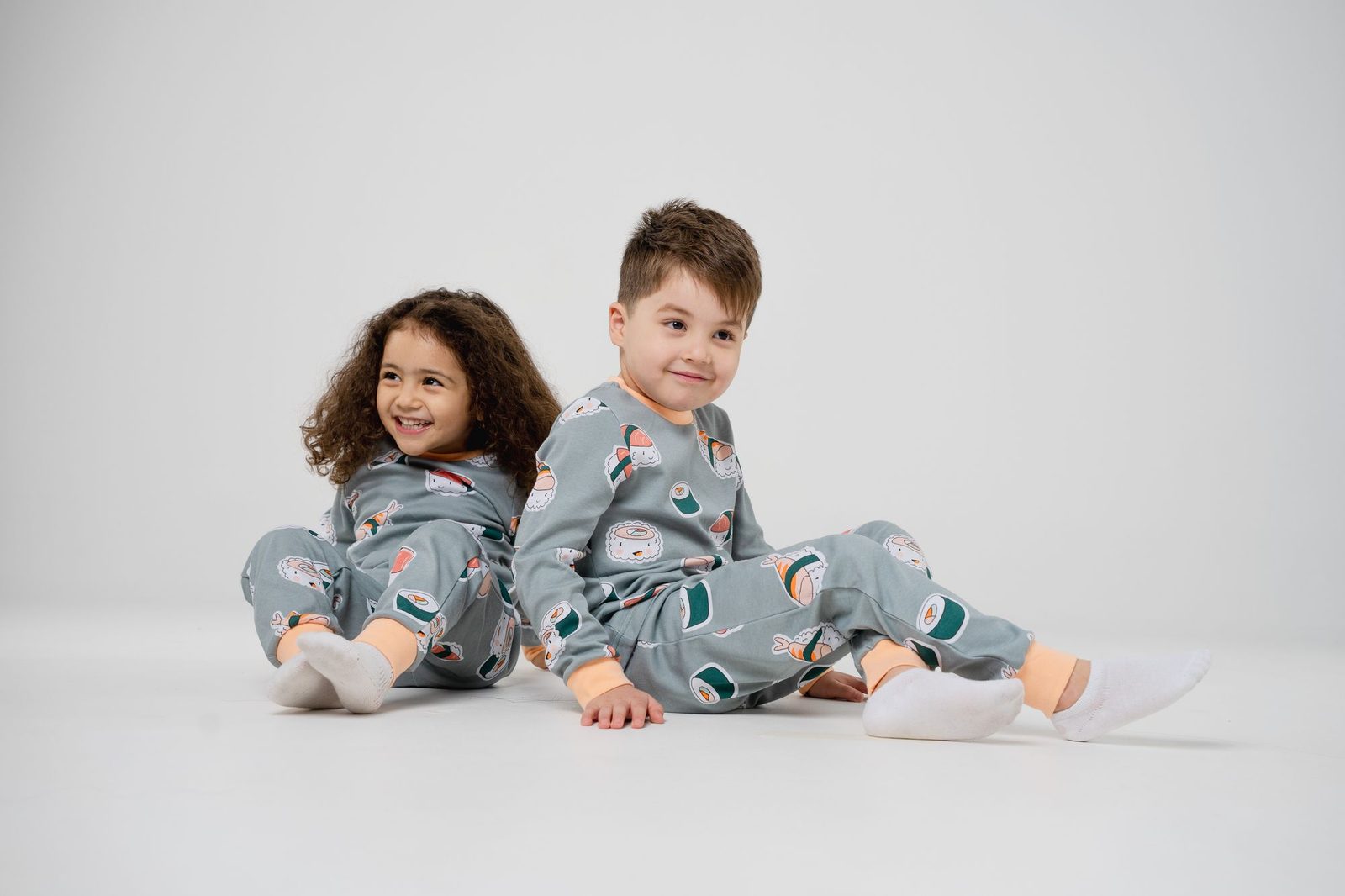
Children's Sleepwear Regulations: What 'Flame Resistant' and 'Snug-Fitting' Require on a US Listing
Children's sleepwear is regulated by size and construction, not by the word "pajamas." A tight-fitting garment is labeled "NOT FLAME RESISTANT," so a listing that calls it flame retardant contradicts the required label. Here are the three compliance paths, the claims each can support, and the documents TikTok Shop may ask for.
 Compliance Guide
TikTok Shop Prop 65: What the Yes/No Attribute Proves — and What It Doesn't
TikTok Shop now requires a CA Prop 65 Yes/No declaration on every US listing. The attribute is a disclosure, not an exposure analysis: a warning is triggered by exposure above an OEHHA safe harbor level, and the label, PDP and packaging are separate transmission points. Here is how to review a Prop 65 decision before you select Yes or No.
 Compliance Guide
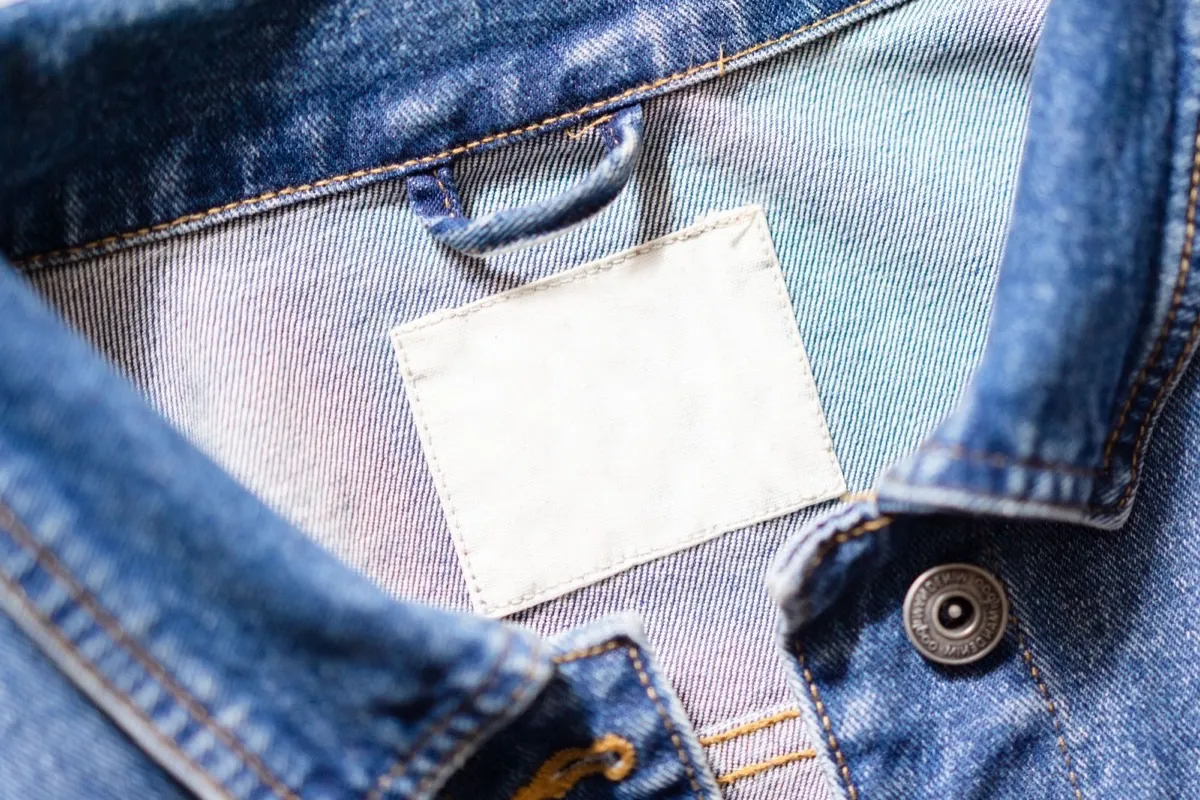
Country of Origin Marking: What Your Label Must Say, and What 'Designed in USA' Does Not Fix
A US listing can say "Designed in USA" while the product was made somewhere else. Federal marking rules ask a different question: what the article and its retail container must say, where the mark must sit, and how permanent it has to be. This article walks through 19 CFR Part 134, the close-proximity rule for US place names, the container exception sellers misread, and a ten-minute label audit.
 Compliance Guide
TikTok Shop Before-and-After Posts: What a 'Results May Vary' Disclaimer Can and Cannot Fix
TikTok Shop permits a results disclaimer only for before-and-after and time-based comparisons. Federal law asks a different question: can you substantiate the result and tell viewers what consumers generally achieve? A practical review sequence, two comparison tables and four hypothetical rewrites for appearance-focused posts.
 Compliance Guide
Organic Without Certification: What a US Listing Can Actually Say
Without NOP certification, a US listing cannot put “organic” on the front panel or use the USDA seal anywhere — only name certified organic ingredients and their percentage on the information panel. This covers the four labeling categories, the 70% and 95% lines, the $5,000 exemption, and a review pass for copy, images, and scripts.
 Compliance Guide
Amazon Ads Rejected for Medical Claims: What the Claims Policy Actually Requires
An Amazon Ads rejection for medical claims can come from three different rules: substantiation, outright prohibitions, or category placement. Here is how to tell them apart, what evidence has to sit on the creative or landing page, and which problems a rewrite cannot fix.
 Compliance Guide
AI-Generated Content on TikTok Shop: What You Must Label, and What a Label Cannot Fix
TikTok Shop allows AI-generated product videos and images, but three separate rulebooks apply to one clip. Here is what to disclose on a post, a LIVE, and a paid ad, and why a label never fixes a product that does not match.
 Compliance Guide
The AAFCO Statement: What ‘Complete and Balanced’ Requires on a US Pet Food Label
A US pet food listing can say “complete and balanced” only when the label carries one of the AAFCO nutritional adequacy statements and the brand can support it. This guide covers the three recognized formats, the treats and chews exemptions, product-name ingredient rules, and how to review listing copy, images, and creator scripts before you publish.