Pet Supplement Claims: When 'Hip and Joint Support' Becomes an Unapproved Animal Drug
FDA has no animal supplement category, so the same chew can be food or an unapproved animal drug depending on what the label claims. Here is the claim test, a 2024 warning letter, and a review method for listings, ads, and creator scripts.
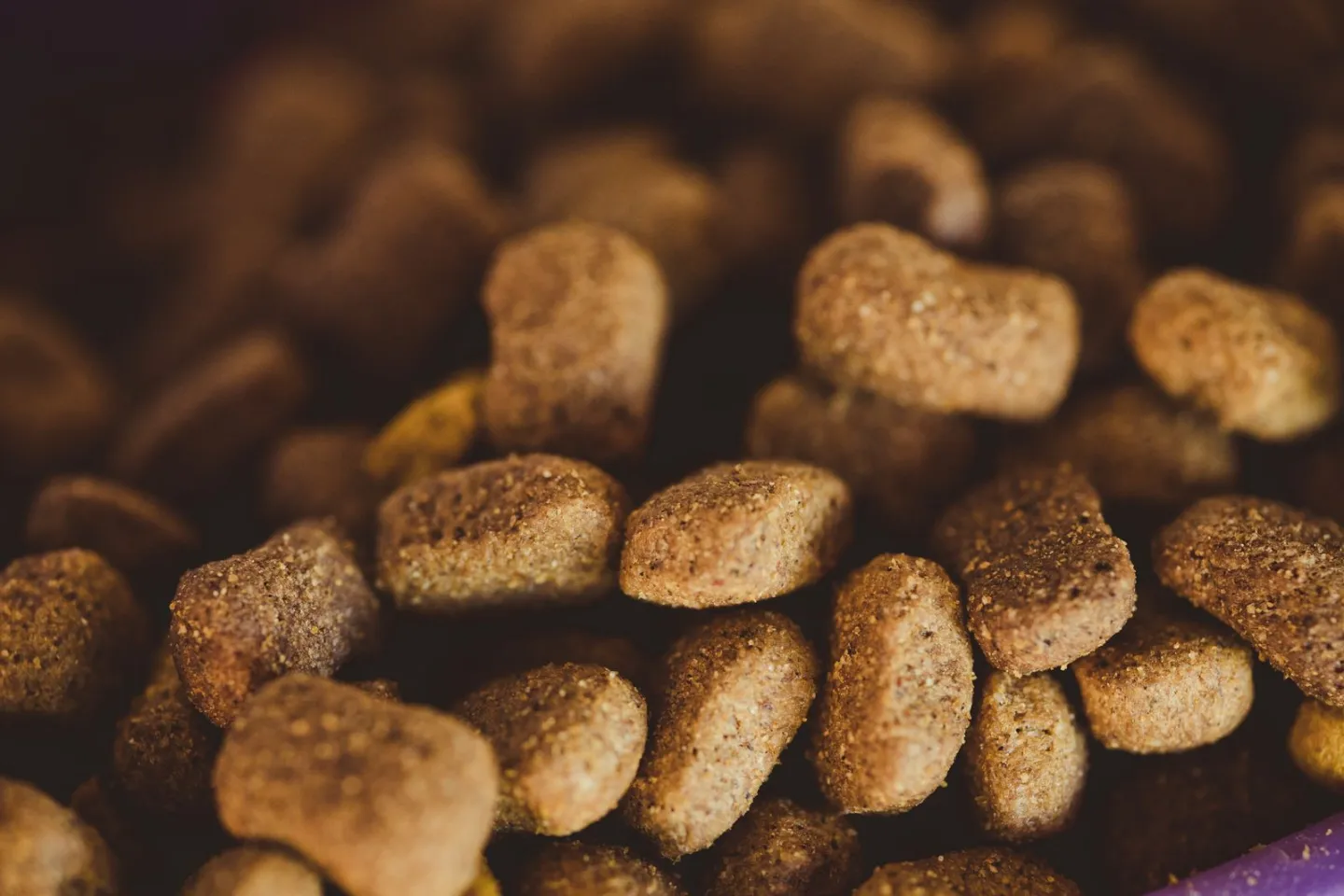
A pet supplement listing rarely fails because of the ingredient panel. It fails because of one sentence about what the ingredient does. In the United States there is no legal product category called “animal supplement,” so a soft chew marketed as a supplement is regulated as either animal food or an animal drug — and the label copy is the main evidence FDA uses to decide which one it is.
That single distinction explains why “supports joint health” can survive a listing review while “helps arthritic dogs move without pain” can turn the same chew into an unapproved new animal drug. Below is the test FDA actually applies, a 2024 warning letter that turned on listing copy, and a review method for titles, bullets, images, ads, and creator scripts. Sources were opened on 2026-10-24; re-check the linked originals before you rely on them, because FDA pages are revised.
The sentence that changes the product category
The Federal Food, Drug, and Cosmetic Act defines a drug to include articles “intended for use in the diagnosis, cure, mitigation, treatment, or prevention of disease in man or other animals” and articles (other than food) “intended to affect the structure or any function of the body.” Intent is not a state of mind you can keep private. FDA reads intent from the claims on your website, your product listing, and your packaging.
FDA's own explanation of pet food regulation gives the two sides side by side. A dog food containing calcium that may affect bone structure in puppies stays food, because the effect comes mainly from nutrition. A product intended to improve joint function in an arthritic dog is a drug. The same page states that chondroitin sulfate cannot be generally recognized as safe when added to food to prevent or treat arthritis in pets — for that intended use, it is an animal drug.
There is no animal version of the human supplement framework. FDA determined in 1996 that the Dietary Supplement Health and Education Act (DSHEA) does not apply to products for animals, and it does not recognize animal supplements as a special category. A product sold as a pet supplement is therefore regulated as food for animals or as an animal drug, depending on its ingredients and its intended use.
| What FDA regulates it as | How the copy reads | What that means for marketing |
|---|---|---|
| Food for animals | Nutrition, composition, palatability, and structure or function effects that come mainly from nutrition | You still owe truthful labeling, proper facility registration where it applies, and adherence to food-safety and labeling rules — but the product is not an unapproved drug |
| Animal drug | Treats, prevents, or mitigates a named disease; or changes structure or function in a way that does not come mainly from nutrition | It needs an approved or conditionally approved application, or an index listing, before it can be legally marketed |
Why “support” is not automatically safe
The common seller shortcut is to replace “treats arthritis” with “supports joint health” and assume the problem is solved. Sometimes that is the right fix. Sometimes it is not, for two reasons.
First, the effect still has to come mainly from nutrition. FDA's chondroitin sulfate example shows that a structure or function claim can itself be a drug claim when the intended effect is not a nutritional one. A claim does not become a food claim just because it avoids the word “arthritis.”
Second, the surrounding copy supplies the missing disease. A bullet that says “supports joint health” next to a product name containing “Arthritis,” an image of a dog with a hip brace, or a review quoted on the page about a veterinarian's diagnosis can all push the intended use toward disease. Regulators read the page as a whole, not sentence by sentence in isolation.
The practical question is not “does this word appear on a banned list.” It is “what use does this page, taken together, promote?” That is the same reasoning that makes human supplement listings fail, and the claim test for human supplements on Amazon is a useful parallel read.
What enforcement actually looks like
This is not a theoretical risk. On November 12, 2024, FDA's Center for Veterinary Medicine sent a warning letter to Evolution Pets LLC (MARCS-CMS 696281) about two products, SeizureGuard Plus and Life Span Arthritis & Mobility Advanced Enzyme Therapy. FDA said it reviewed the company's website and its Amazon store pages between October and November 2024.
The letter's reasoning is the part sellers should read closely. FDA did not begin with an ingredient review. It stated that the product names themselves indicated the products were intended to treat disease conditions or affect the structure or function of the body. It then quoted listing and website claims, including “proven to reduce pain” and language about dog arthritis and hip dysplasia, as evidence of intended use.
From there the chain is mechanical:
- The products were “new animal drugs” because they were not generally recognized by experts as safe and effective for the uses in their labeling.
- They were not the subject of an approved application, a conditional approval, or an index listing.
- That made them unsafe under section 512(a) and adulterated under section 501(a)(5) of the Act.
- Introducing them into interstate commerce was prohibited under section 301(a).
Two lessons are easy to miss. The listing page counted as labeling evidence, and the product name counted before any bullet point did. A brand name that contains a disease or a drug-like promise is not a neutral choice you can fix later with softer bullets.
Where the claims actually hide
Sellers usually audit the description and stop. In practice, the same claim appears in places that are edited by different people, at different times, and often by an agency that never saw the regulatory file.
- The product name and subtitle — the highest-risk surface, because it frames everything below it.
- Bullet points and A+ content — including comparison charts against a competitor that names a disease.
- Images and packaging photos — a label rendering, a before-and-after photo, or an icon of a joint or a spine.
- Video and LIVE scripts — spoken claims are still claims, and hosts improvise. The review method for health claims in video and LIVE scripts applies to pet products unchanged.
- Paid ads and landing pages — ad copy is written for conversion, which is exactly where a disease promise tends to appear. The ad compliance checker is built for this surface.
- Reviews, Q&A, and creator posts you repost — quoting a customer's disease story on your own page can attach that use to your product.
A review method you can run before publishing
The goal is to classify each claim before it goes live, not to launder it afterward. Work in this order.
- Write the intended use in one sentence. “A chew that provides glucosamine and chondroitin as part of a dog's diet” is a different product from “a chew that helps a dog with arthritis.” If the sentence contains a disease, stop: you are describing a drug, and copy edits will not change the regulatory path.
- Classify every claim. Mark each sentence as nutrition/composition, structure or function, disease, or drug equivalence (comparing to a prescription drug). Disease and drug-equivalence claims are the ones that create an unapproved drug problem.
- Check the frame, not just the sentence. Look at the product title, the first image, the comparison table, and the video thumbnail together. If the frame supplies a disease that the bullet carefully avoids, the page still promotes a disease use.
- Match the evidence to the claim type. A composition claim needs accurate ingredient and guarantee information. A structure or function claim needs a basis for saying the effect comes mainly from nutrition. A disease claim needs a drug approval — not a study, not a supplier letter, not a certificate.
- Fix the source, then the copies. Change the title and the packaging before rewriting the description. Otherwise the old claim survives in the images and the video, and the next audit finds it again.
| Draft line (hypothetical) | What it implies | Regulatory read | Safer direction |
|---|---|---|---|
| “Relieves arthritis pain in senior dogs” | Treatment of a named disease | Drug claim; product would need an approved application | Remove the disease; describe the formula and its nutritional role, and let the buyer draw no medical conclusion |
| “Supports joint health and mobility” | Structure or function | Food claim only if the effect comes mainly from nutrition; risky if the page frames arthritis | Keep it factual and consistent with the rest of the page, and drop arthritic-dog imagery and testimonials |
| “Vet-recommended arthritis chew” | Professional endorsement of a disease use | Disease claim, with an added endorsement problem if the recommendation is not real | Delete unless you can document both the claim basis and the endorsement |
| “Same active ingredient as a prescription NSAID” | Drug equivalence | Drug claim by comparison | Remove the comparison; describe only what your product is |
| “Complete and balanced nutrition for adult dogs” | Nutritional adequacy | Food claim, but it must be supported by an AAFCO nutrient profile or a feeding trial | Use only if the formulation actually meets the profile or passed the trial |
What a rewrite cannot fix
Copy review changes what a page claims. It does not create a legal marketing status, and it does not substitute for the work behind a product.
- It cannot legalize an unapproved drug. If the intended use is to treat or prevent disease, the answer is an approved, conditionally approved, or indexed animal drug — or a different product.
- It cannot manufacture nutrition. A structure or function claim still depends on the effect coming mainly from nutrition, which is a formulation question.
- It cannot replace food-safety obligations. Animal food facilities that must register under FSMA also carry preventive-controls and current good manufacturing practice duties, and labels must be truthful.
- It cannot borrow credibility. FDA states that endorsements and seals of approval from other organizations are not assurances of nutritional adequacy and may be misleading.
- It cannot clear an image. A label rendering or a photo that shows a disease use is a claim even when the text is clean.
Where a checker helps, and where it stops
A text risk checker is useful for the boring part: finding disease vocabulary, drug comparisons, and absolute promises across a long listing, an ad set, and a batch of creator scripts before a human reads them. It shortens the first pass and makes the second pass consistent.
It cannot tell you whether your product is a food or a drug. That answer depends on formulation and intended use, and it belongs to your regulatory file and, where the stakes are high, to counsel. It also cannot see a claim that exists only in an image, a live stream, or a customer's reposted review. Treat a clean scan as a reason to keep reviewing, not as an approval.
For teams selling through marketplaces and stores, the same claim inventory should feed listing compliance review and the ad review workflow, so the title, the page, and the paid creative do not drift apart.
FAQ
Is a pet supplement the same as a human dietary supplement in the US?
No. FDA determined that DSHEA does not apply to animal products and does not recognize animal supplements as a special category. A product marketed as a pet supplement is regulated as food for animals or as an animal drug, depending on its ingredients and intended use.
Can I say “supports joint health” on a dog chew?
Only if the effect comes mainly from nutrition and the rest of the page does not frame a disease. FDA's chondroitin sulfate example shows that a structure or function claim can still be a drug claim when the intended effect is not nutritional. If the title, images, or testimonials reference arthritis, the page is promoting a disease use regardless of the bullet wording.
Does a warning letter only apply to the company that received it?
The letter binds the recipient, but it is public evidence of how FDA reads claims. In the Evolution Pets letter, product names and Amazon listing copy were enough to establish intended use. That reasoning applies to any seller whose page makes the same kind of promise.
Do pet treats and chews have to be “complete and balanced”?
Usually not, and the claim should not be used casually. FDA explains that treats, snacks, and supplements are typically not intended to be a pet's sole diet, so they are often not complete and balanced. The statement is reserved for products that meet an AAFCO nutrient profile or pass a feeding trial using AAFCO procedures.
Let automated checks keep track of these rules
Sign up to receive 100 credits and check English copy, videos, and images, with the regulation or platform rule behind every flag.
Sign up for free