Can You Sell CBD on TikTok Shop? What the 2026 Policy Actually Prohibits
TikTok Shop's US Prohibited Products Policy (updated Nov 19, 2026) names CBD in beauty and personal care, and the Content Policy treats cannabis, THC, and CBD as high-risk regulated goods in creator content. This guide separates the listing rule from federal law, explains the narrow hemp-derived cosmetic carve-out, and gives sellers and affiliates a review sequence to run before publishing.
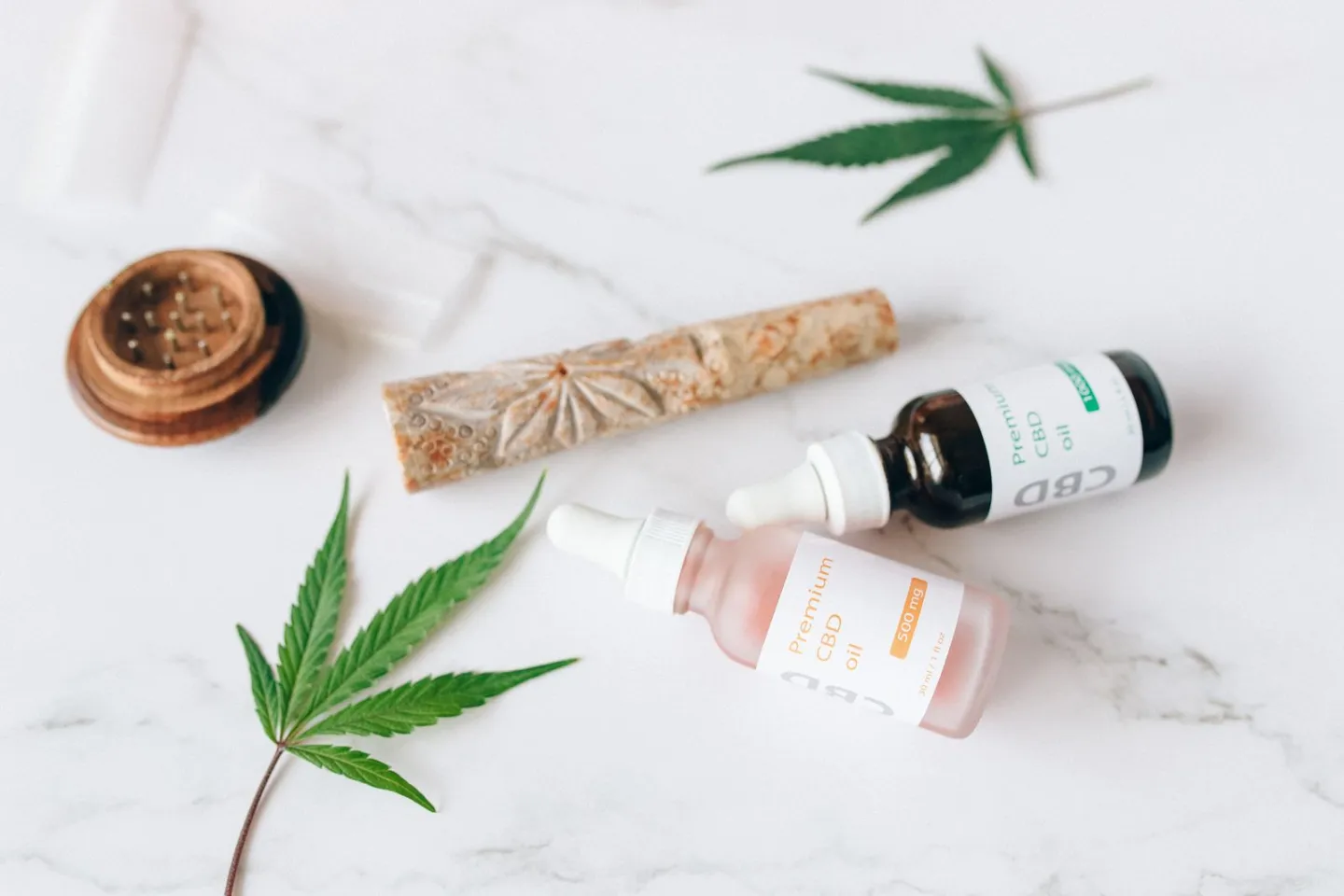
If your product contains CBD, the answer on TikTok Shop US is no. The platform's Prohibited Products Policy, updated November 19, 2026, lists beauty and personal care products that are "made from or contain Cannabidiol, or CBD" as prohibited, and names serums, creams, masks, body and face oils, lotions, and shampoos as examples. A "THC-free" label, a certificate of analysis, or a switch to the word "hemp" does not create a listing path. The policy also states that a product is classified by its intended use, ingredients, claims, and function, "not how the seller labels or categorizes it."
There is a narrow allowance for hemp-derived cosmetic ingredients that contain no CBD, CBG, THC, or other prohibited cannabinoid and make no such claims. That allowance is much smaller than the "hemp" shelf at a trade show suggests. This guide separates the listing rule from federal law, walks through the carve-out, and gives you a review sequence you can run before a listing or a creator script goes live.
The short answer: no CBD product, and no CBD claim
Two separate TikTok Shop rules apply, and they are enforced in different places:
- The listing rule. CBD in beauty and personal care is explicitly prohibited. The policy also prohibits drug products and products that make drug-like claims, and it says TikTok Shop may classify a product from the listing, images, packaging, labeling, instructions, and other marketing materials.
- The content rule. The TikTok Shop Content Policy, updated November 6, 2026, tells creators that "drugs include cannabis, THC, and CBD-infused products," and that "any depiction of drugs or drug paraphernalia is enough to trigger enforcement," and that "implied use also counts."
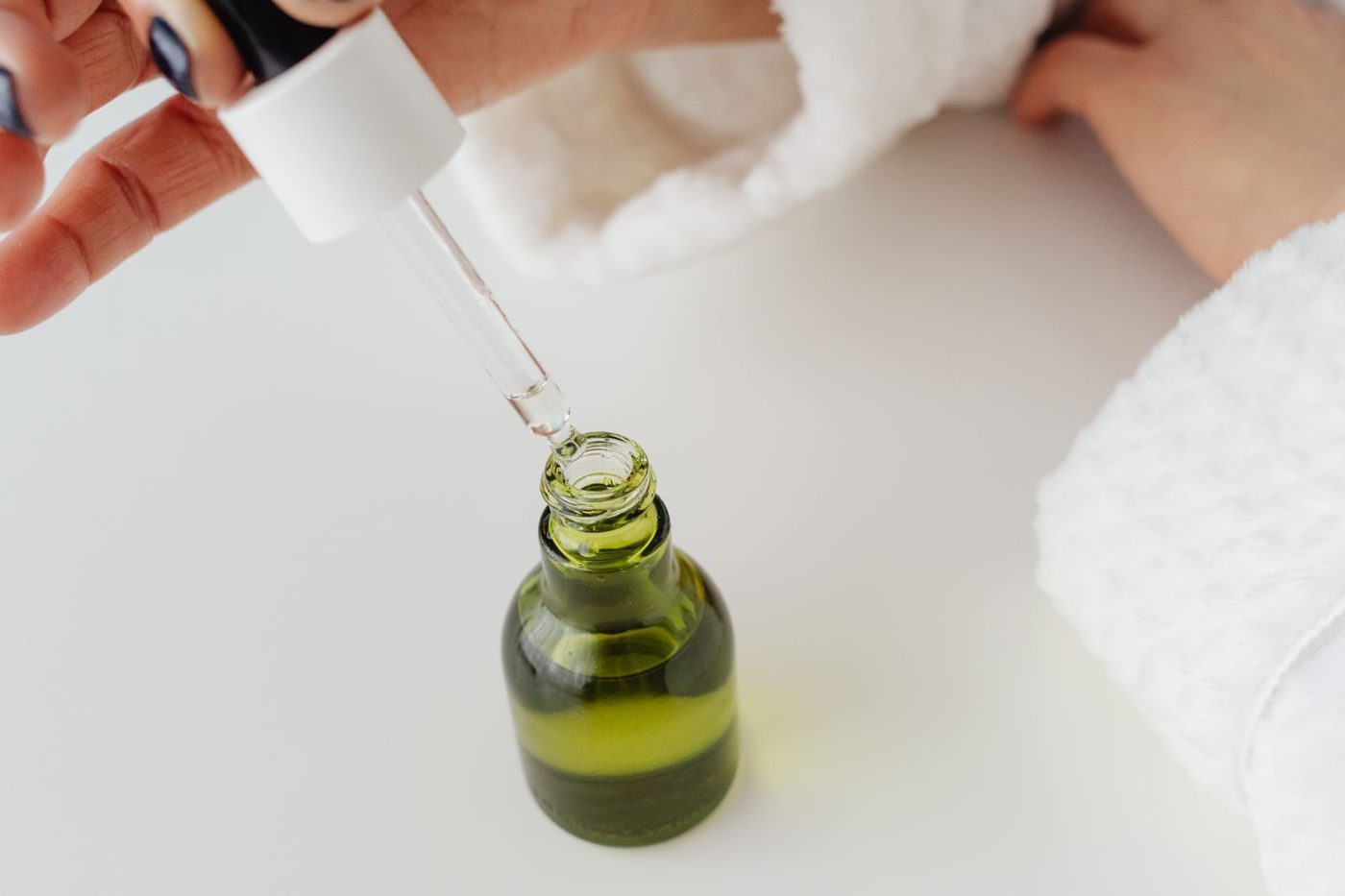
That means a seller can lose the listing and an affiliate can lose content or violation points on the same product, for different reasons. Renaming the item does not merge the two problems. A listing that removes "CBD" from the title but keeps a dropper bottle, a cannabis leaf, and "calming botanical blend" in the creative still sits inside the same intent described by the policy.
What the listing policy says, in its own words
Under "Medicines, Medical Devices, and Medicinal Supplements," the policy puts the classification question first: "Whether a product is classified as a drug, dietary supplement, cosmetic, or other consumer products under US law depends on its intended use, ingredients, claims, and function, not how the seller labels or categorizes it." It then adds that TikTok Shop "may classify a product based on its listing, images, packaging, labeling, instructions, and other marketing materials."
In the same section, the prohibited list includes cosmetics that "are made from or contain Cannabidiol, or CBD," with the product types spelled out: serums, creams, masks, body and face oils, lotions, shampoos, and "other topical products." The Drugs and Drug Paraphernalia section separately covers marijuana and marijuana-derived material, and products "that claim to provide a 'legal high,' including marijuana and medicinal marijuana."
One detail is worth noticing: the policy names CBD explicitly in the beauty section, not in a general "all cannabinoids" clause. That does not leave an opening for an ingestible CBD tincture. An ingestible product does not fit the cosmetic carve-out described below, and the drug-product and unapproved-drug provisions apply to it. In practice, there is no compliant listing route for a CBD ingestible on TikTok Shop US today.
The one carve-out: hemp-derived cosmetic ingredients without CBD, CBG, or THC
The policy has an "allowed" section, and it is the sentence most sellers quote out of context. It permits "products containing permitted hemp-derived cosmetic ingredients when the product does not contain or claim to contain CBD, CBG, THC, or another prohibited cannabinoid."
Read the conditions as cumulative. The ingredient must be permitted, the finished product must not contain or claim to contain a prohibited cannabinoid, and the listing must not imply one. A hemp seed oil moisturizer can fit. The same moisturizer with "full-spectrum hemp extract" on the label does not.
| Hypothetical listing | Most likely outcome on TikTok Shop US | Why |
|---|---|---|
| Hemp seed oil body lotion, ingredient list shows hemp seed oil, no cannabinoid claim | Potentially listable | Fits the hemp-derived cosmetic carve-out, subject to every other policy and labeling requirement |
| Same lotion labeled "500 mg full-spectrum CBD" | Prohibited | The policy names CBD in topical beauty products |
| Face serum described as "THC-free CBD" | Prohibited | The product still contains or claims CBD; the THC statement does not cure it |
| Hemp oil capsules marketed for "calm and focus" | High risk of removal | Not a cosmetic; ingestible format plus structure/function language moves it toward drug review |
| Leaf-pattern tote bag with no ingestible or topical product | Usually outside this rule | It is merchandise, not a CBD product, though other policies still apply |
These rows are illustrative examples, not rulings. TikTok Shop decides classification case by case, and a determination about one listing does not bind the platform on another.
Creator content is a separate, stricter rule
Even where a seller has a legitimate hemp seed product, the creator side is where affiliate accounts get hit. The Content Policy's "High-Risk Regulated Goods" section controls content when a creator shows the goods, when viewers can see consumption or use, when the creator promotes them, or when use is implied. For drugs, the policy says "any depiction" is enough, and "implied use also counts, including drug slang."
Practical consequences for a US affiliate:
- A video that visually references cannabis while selling a hemp seed lotion can be treated as drug content even if the product itself is allowed.
- Violations can reduce commission access and add violation points to the Creator Health Rating, which is a separate ledger from the seller's account health.
- A seller-side removal does not automatically clear a creator's content, and the reverse is also true.
The TikTok Shop medical claims guide covers how disease and structure/function language triggers a different review; the short version is that claims, not just ingredients, change classification.
Federal law is not the platform rule, and it is not a green light either
Sellers often argue that a product is "legal in the US," so the platform should allow it. Three FDA positions need to be separated here, because they point in different directions.
- Food and supplements. FDA's cannabis Q&A states plainly that it is prohibited to introduce into interstate commerce a food to which CBD or THC has been added, under section 301(ll) of the FD&C Act. CBD is also excluded from the dietary supplement definition under section 201(ff)(3)(B) because it was studied as a drug before it was marketed as a supplement. FDA approved Epidiolex as a prescription drug; that approval does not cover dietary supplements or foods.
- Cosmetics. FDA does not pre-approve cosmetic products or ingredients, and its Q&A says that no cannabis or cannabis-derived cosmetic ingredient is currently prohibited or restricted by regulation. But an ingredient cannot make a product adulterated or misbranded, and a cosmetic becomes a drug if it is intended to affect the structure or function of the body or to treat disease.
- Hemp seed ingredients. FDA completed GRAS evaluation for three hemp seed-derived food ingredients: hulled hemp seed, hemp seed protein powder, and hemp seed oil. FDA's page states that these three can be legally marketed in human food for the uses described in the notices, and that the conclusion does not change FDA's position on adding CBD or THC to food.
So a CBD topical is not automatically unlawful under federal law, even though it is prohibited on TikTok Shop. The platform can be stricter than the statute on this category. The direction of the mismatch matters: arguing federal legality will not reopen a listing that the platform prohibits, and it will not help a seller whose product is an ingestible CBD item that FDA treats as an unapproved food or drug.
How to review a hemp product before you publish
Run this sequence in order. If it fails at step one, rewriting the copy will not help.
- Confirm the ingredient, not the marketing word. Get the specification sheet and confirm whether the formula contains CBD, CBG, THC, or another cannabinoid. "Hemp extract" is not a synonym for hemp seed oil.
- Check the finished-product claims. Remove any disease, structure/function, or "supports" claims that would push a cosmetic into drug classification. The cosmetic claims substantiation guide covers what evidence a claim needs.
- Audit images and video, not just text. Labels, packaging, dropper bottles, leaves, and on-screen text are all part of the classification record. Check the supplement requirements if your product is ingestible.
- Check the creator script separately. Spoken lines and gestures count. A script that hints at a cannabis effect can trigger enforcement even when the product copy is clean.
- Do not treat renaming as a fix. Altered spelling, euphemisms, and category switching are exactly the patterns the policy says it will classify by intent rather than label.
- Keep the evidence with the listing. Specifications, COAs where relevant, and the exact text and images you submitted make an appeal or a future review far easier.
A text checker can flag risky phrases and suggest plainer wording, but it cannot determine whether an ingredient is permitted or predict a platform decision. Use the TikTok Shop claim checker as a review step, not a clearance certificate, and see ByeRisk for TikTok Shop for how listing text and creator scripts are reviewed together.
FAQ
Is delta-8 THC allowed on TikTok Shop US?
No. Intoxicating hemp-derived cannabinoids fall inside the drug and prohibited-cannabinoid provisions described above, and the Content Policy separately treats cannabis and THC as high-risk regulated goods. FDA and FTC have also issued joint enforcement actions against delta-8 THC food products, which is a separate legal exposure from the platform rule.
Can I list a product as "THC-free" and keep the CBD?
No. The prohibition is on products that contain or claim to contain CBD, and a THC-free statement does not remove the CBD. The policy also classifies products by intended use and claims, so a "THC-free" badge next to a cannabinoid product does not change the category.
Does a certificate of analysis make a CBD product eligible?
Not on TikTok Shop US. A COA supports quality and content claims, and it may matter to a retailer or to a state regulator, but it does not override a platform prohibition. Keep it for other channels; it is not a listing permission here.
What about hemp seed oil skincare with no cannabinoids?
That is the carve-out. The product must contain permitted hemp-derived cosmetic ingredients, must not contain or claim CBD, CBG, THC, or another prohibited cannabinoid, and must avoid drug-like claims. Everything else in the listing policy still applies, including labeling and safety requirements.
This article summarizes a platform policy and public FDA positions reviewed on November 29, 2026. It is not legal advice, and it cannot predict how a specific listing will be classified. Confirm the current policy text and your product's specification before you publish.
Let automated checks keep track of these rules
Sign up to receive 100 credits and check English copy, videos, and images, with the regulation or platform rule behind every flag.
Sign up for free